Cooley High Movie Poster
Step back in time with this vibrant 11x17 inch poster from the groundbreaking 1975 film "Cooley High," a beloved classic that authentically captured African American urban teenage life in 1960s Chicago.
Directed by Michael Schultz and written by Eric Monte, this coming-of-age comedy-drama follows the adventures of high school friends Preach and Cochise as they navigate the challenges of growing up in the Cabrini-Green housing projects.
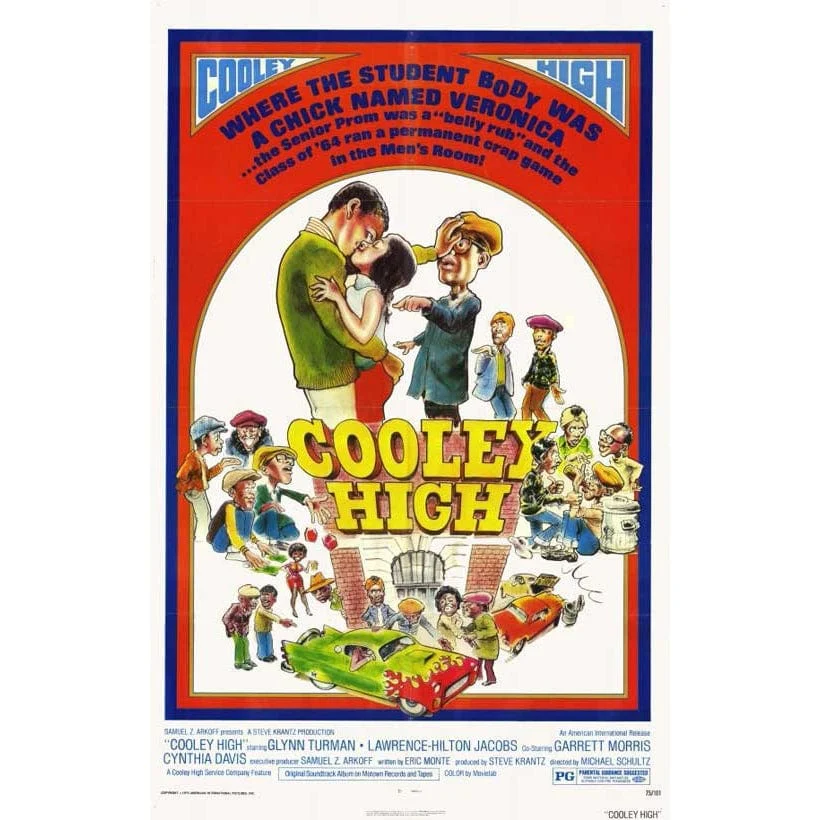
The poster features the film's iconic artwork with its bold red and blue border, lively character illustrations, and the memorable tagline: "Where the student body was a chick named Veronica and the Senior Prom was a 'belly rub' and the class of '64 ran a permanent crap game in the Men's Room!" This cultural touchstone starred Glynn Turman and Lawrence Hilton-Jacobs, who later gained fame on "A Different World" and "Welcome Back, Kotter" respectively.
Often called "the Black American Graffiti," Cooley High influenced generations of filmmakers and the same creative team spawned the hit TV series "What's Happening!!" because of this film's success.
Display this piece of Black cinema history in your home theater, office, or any space where you celebrate the cultural contributions that shaped American entertainment and reflected authentic Black experiences on screen.
Product Information
Product Information
Shipping & Returns
Shipping & Returns
Cooley High Movie Poster
Cooley High Movie Poster
Step back in time with this vibrant 11x17 inch poster from the groundbreaking 1975 film "Cooley High," a beloved classic that authentically captured African American urban teenage life in 1960s Chicago.
Directed by Michael Schultz and written by Eric Monte, this coming-of-age comedy-drama follows the adventures of high school friends Preach and Cochise as they navigate the challenges of growing up in the Cabrini-Green housing projects.
The poster features the film's iconic artwork with its bold red and blue border, lively character illustrations, and the memorable tagline: "Where the student body was a chick named Veronica and the Senior Prom was a 'belly rub' and the class of '64 ran a permanent crap game in the Men's Room!" This cultural touchstone starred Glynn Turman and Lawrence Hilton-Jacobs, who later gained fame on "A Different World" and "Welcome Back, Kotter" respectively.
Often called "the Black American Graffiti," Cooley High influenced generations of filmmakers and the same creative team spawned the hit TV series "What's Happening!!" because of this film's success.
Display this piece of Black cinema history in your home theater, office, or any space where you celebrate the cultural contributions that shaped American entertainment and reflected authentic Black experiences on screen.
Original: $41.00
-70%$41.00
$12.30Product Information
Product Information
Shipping & Returns
Shipping & Returns
Description
Step back in time with this vibrant 11x17 inch poster from the groundbreaking 1975 film "Cooley High," a beloved classic that authentically captured African American urban teenage life in 1960s Chicago.
Directed by Michael Schultz and written by Eric Monte, this coming-of-age comedy-drama follows the adventures of high school friends Preach and Cochise as they navigate the challenges of growing up in the Cabrini-Green housing projects.
The poster features the film's iconic artwork with its bold red and blue border, lively character illustrations, and the memorable tagline: "Where the student body was a chick named Veronica and the Senior Prom was a 'belly rub' and the class of '64 ran a permanent crap game in the Men's Room!" This cultural touchstone starred Glynn Turman and Lawrence Hilton-Jacobs, who later gained fame on "A Different World" and "Welcome Back, Kotter" respectively.
Often called "the Black American Graffiti," Cooley High influenced generations of filmmakers and the same creative team spawned the hit TV series "What's Happening!!" because of this film's success.
Display this piece of Black cinema history in your home theater, office, or any space where you celebrate the cultural contributions that shaped American entertainment and reflected authentic Black experiences on screen.